 01 / 03
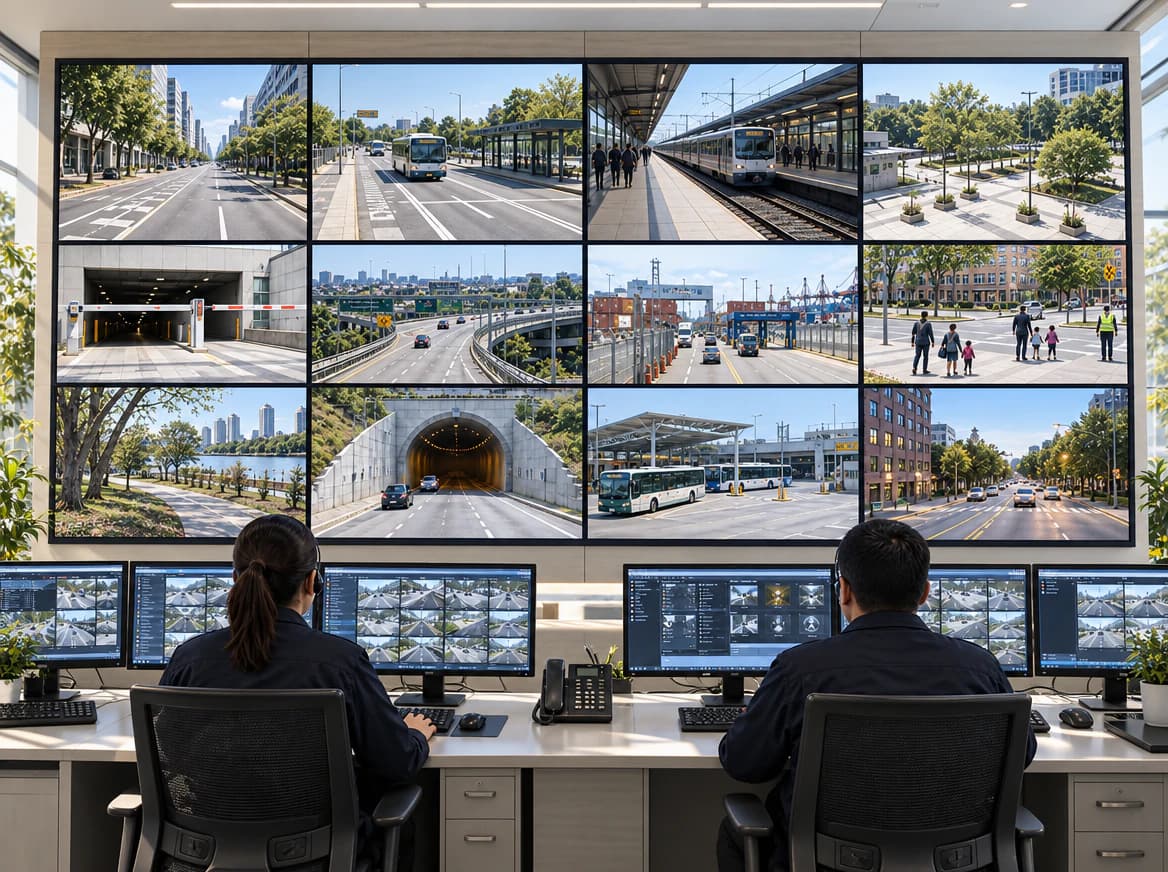
Sensor geometry
Design perception around what the robot must see.
Field of view, placement, exposure, occlusion, vibration, cabling, and environment determine the usable camera and sensor layout.
Robotics Perception
Bring cameras, sensor timing, edge compute, perception software, power, thermal, and production constraints into one robotics design-in review.
Explore the system path
System operating context
Designed for
Physical AI starts at the sensor
A robotics platform depends on more than model throughput. Sensor placement, timing, memory movement, control interfaces, power, and environment shape the usable perception architecture.
Camera exposure, synchronization, timestamps, preprocessing, inference, and control handoff must share a measurable timing model.
Power, thermal strategy, vibration, enclosure, connectors, service access, and weight affect the platform choice.
Carrier, camera, driver, BSP, FPGA, perception runtime, harnessing, and test responsibilities need to be assigned before scaling.
Architecture review
YUAN reviews the video-native portion of the robotics stack and the interfaces it must maintain with sensors, software, and the machine controller.
Robotics Perception
Active stage 01
Sense
Camera layout, field of view, interfaces, and environment
Performance is configuration-specific. The review defines the target, test configuration, and evidence needed before latency, frame integrity, stream density, power, or thermal results are treated as claims.
Follow the operating path
01 / 03Sensor geometry
Field of view, placement, exposure, occlusion, vibration, cabling, and environment determine the usable camera and sensor layout.
 02 / 03
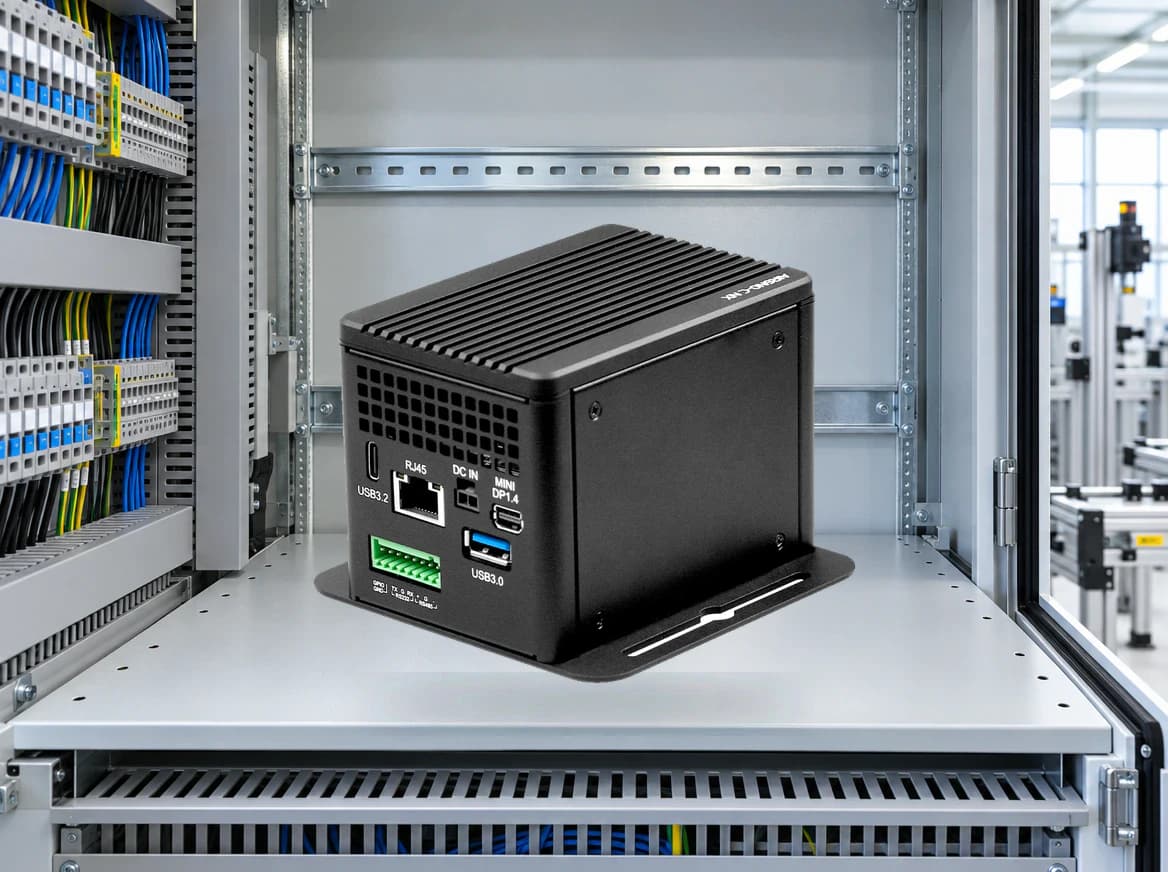
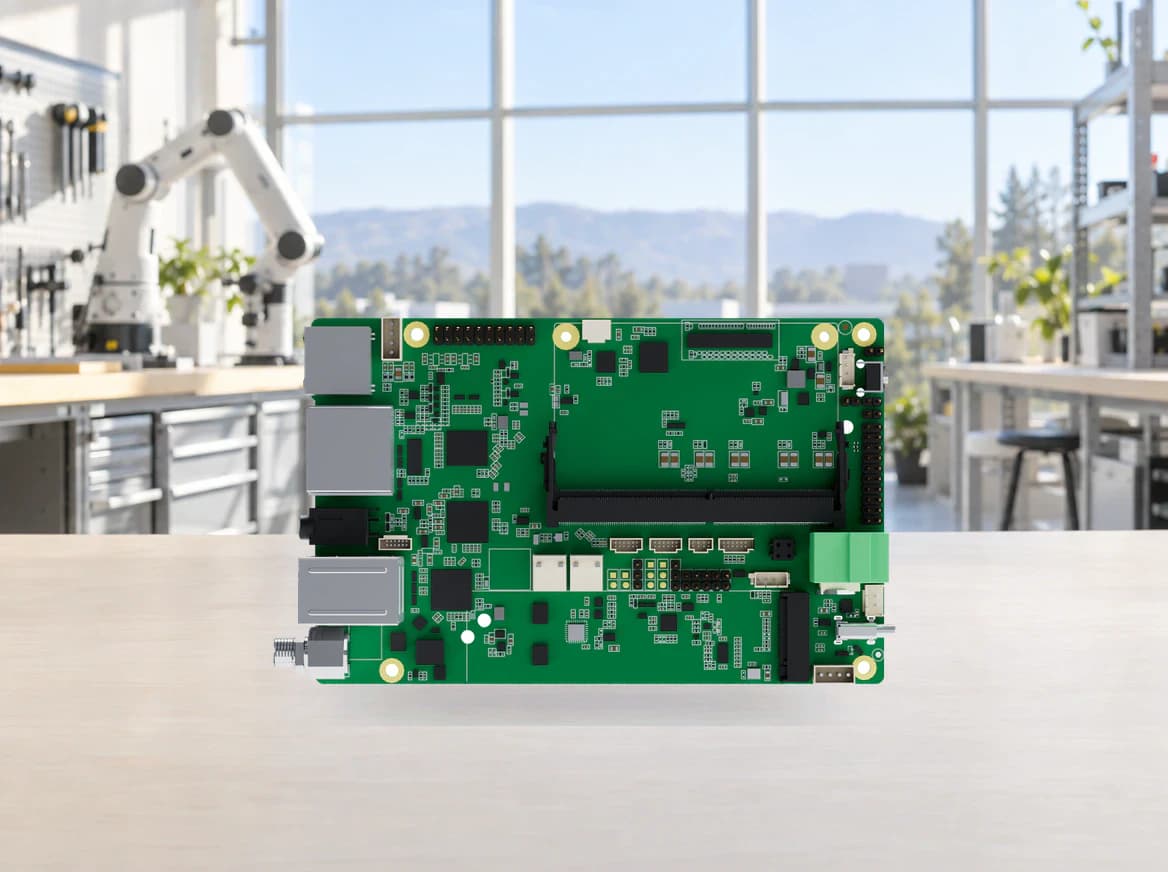
Compute carrier
The carrier, camera links, driver, runtime, power budget, thermal strategy, connectors, and service access form one platform decision.
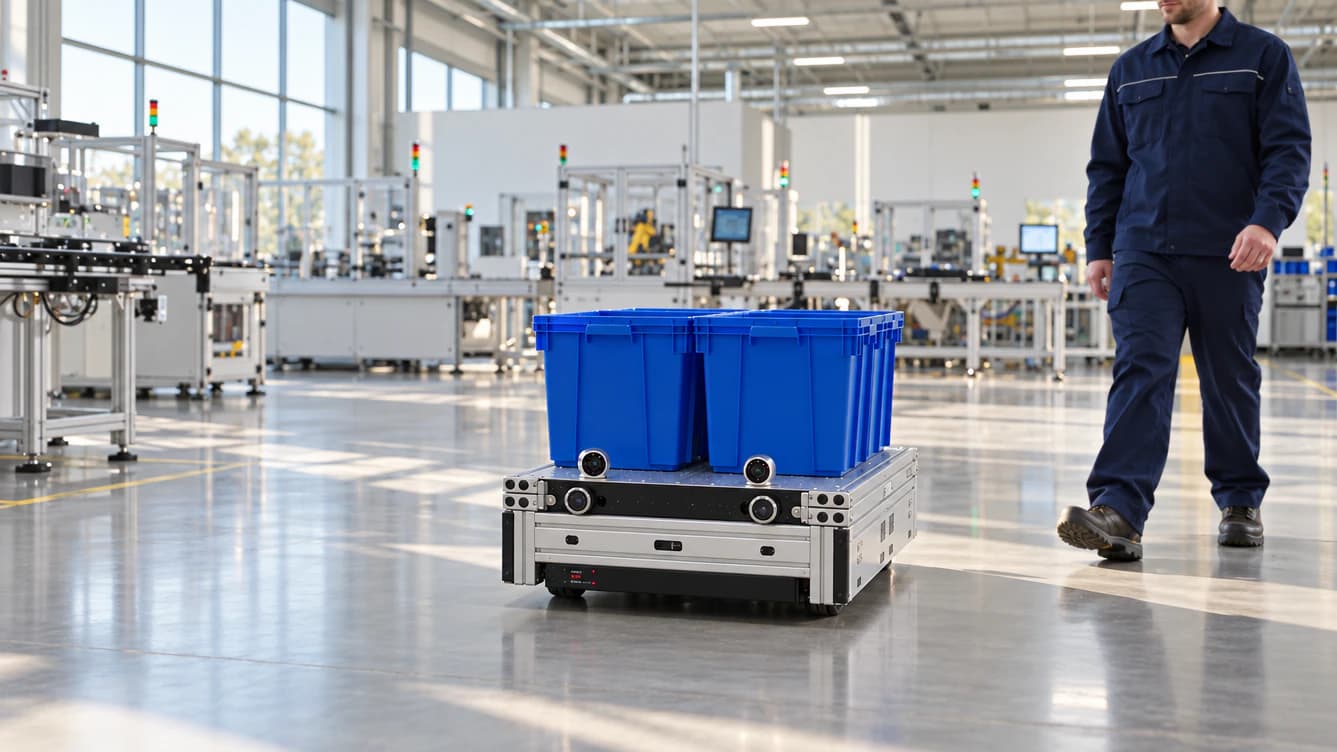
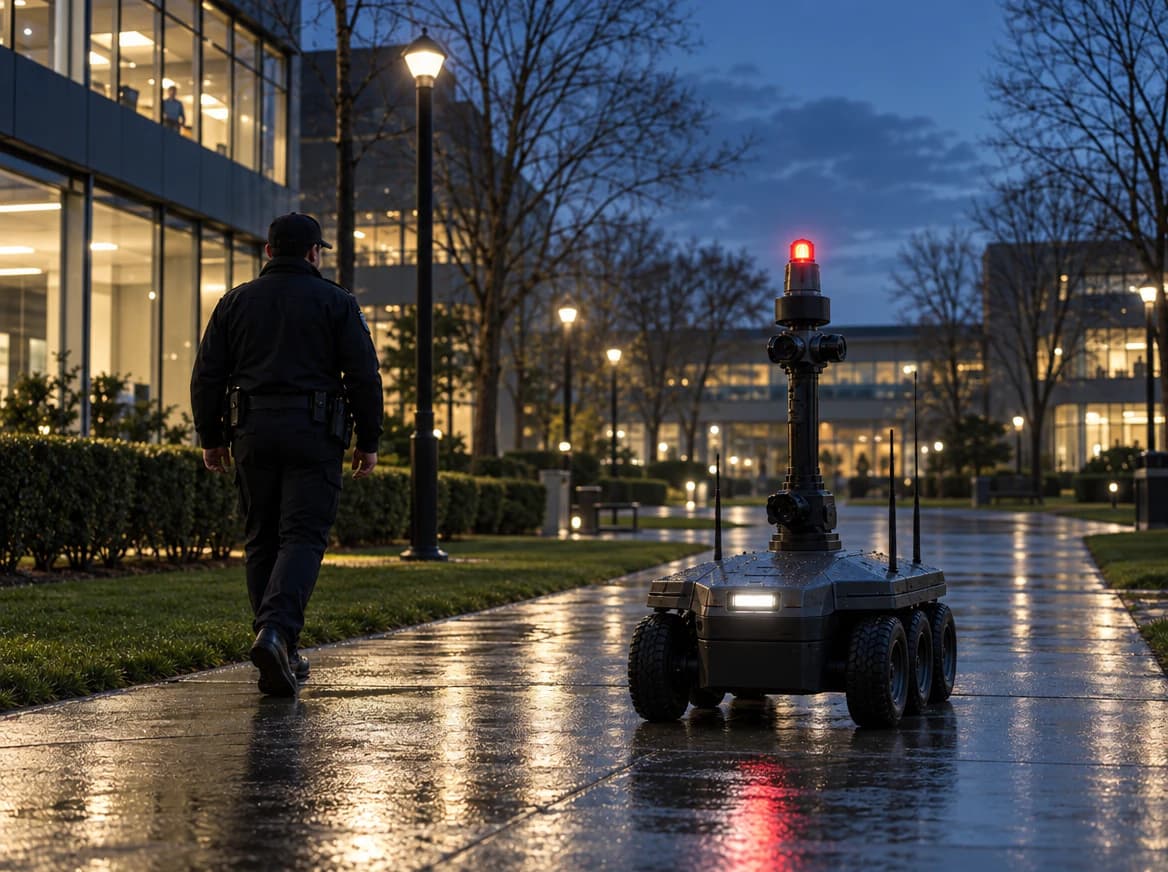
The useful vision path moves with the robot. Cameras, timing, compute, and control boundaries have to remain connected through real operating states.
 03 / 03
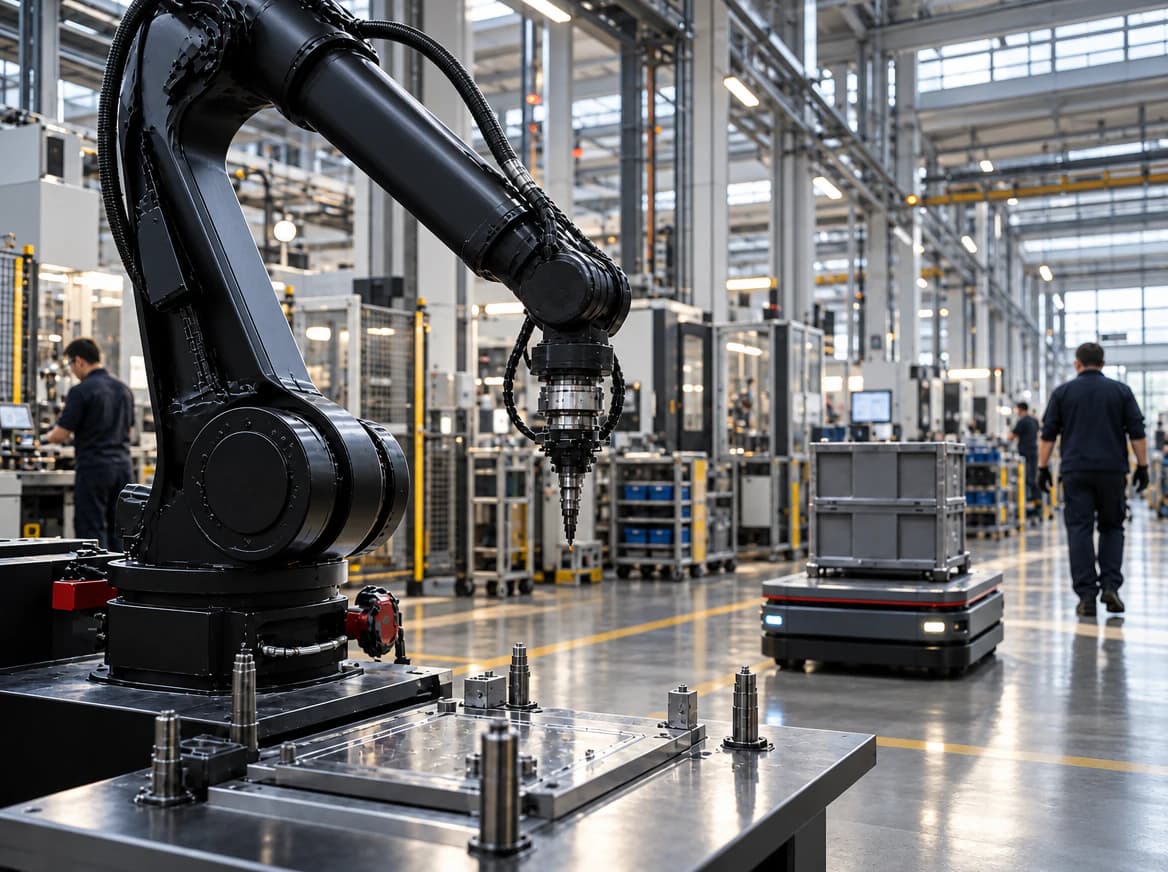
Control boundary
The review documents middleware, controller handoff, logging, fleet interfaces, and the boundaries owned by autonomy and safety teams.
These patterns describe ownership and data movement. They do not imply a universal latency, safety, or autonomy result.
01
02
03
Architecture review
Bring to the review
Review output
Related YUAN capabilities
Evaluation questions
No. The useful choice also depends on sensor count, preprocessing, memory movement, runtime, control workload, power, thermal design, and the mechanical envelope.
The review focuses on the supported video, sensor-ingest, compute, and software-integration path. Planning should explicitly identify the owners of autonomy, control, safety, and fleet systems.
No. The review defines the end points, workload, configuration, and measurement method required for a representative benchmark.
Prepare the technical brief
Ask the YUAN hardware expert which inputs and constraints belong in your review.
Other design-in paths
YUAN USA design-in
Share the video sources, software workload, physical constraints, project stage, and production intent. The YUAN USA team will route the review to the relevant product and integration specialists.