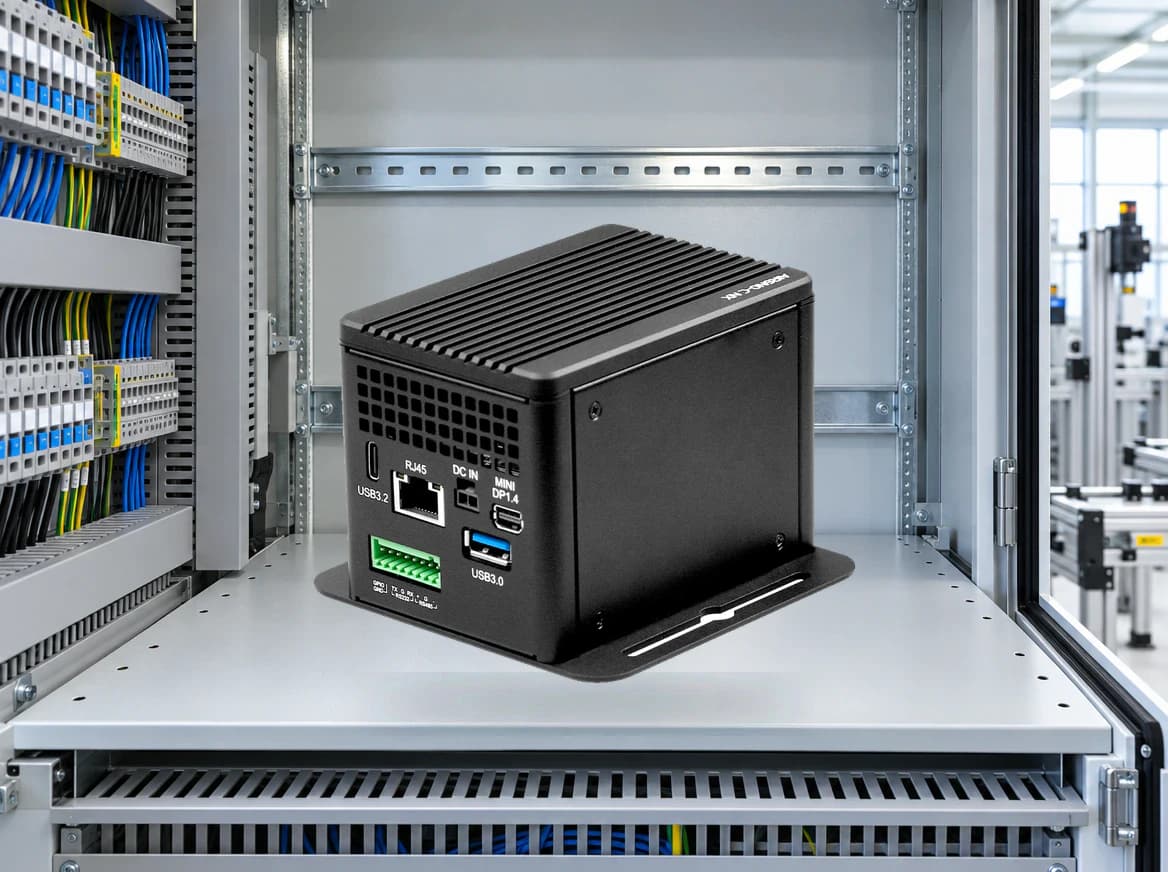
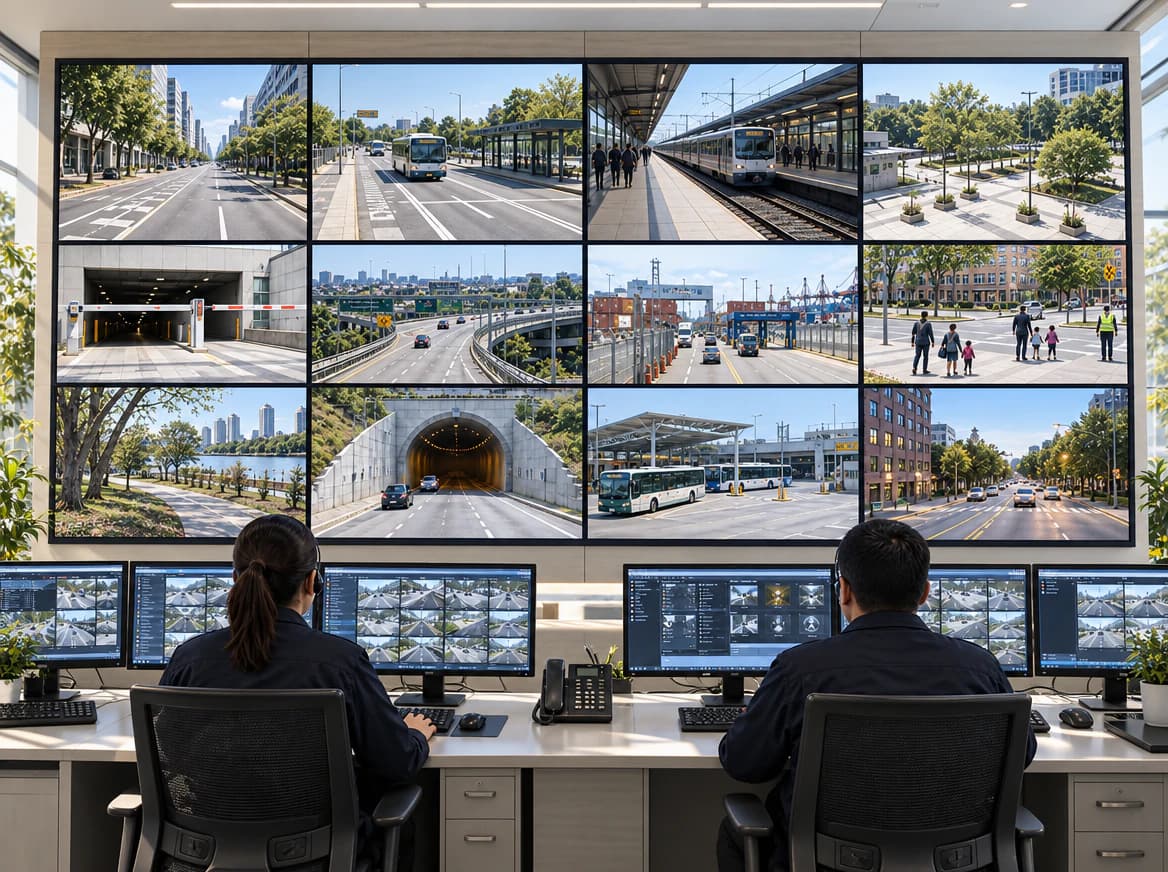
 01 / 03
Existing estate
Inventory what already carries operational value.
Separate cameras, streams, metadata, retention rules, and VMS workflows that can remain from the boundaries that need a new edge path.
AI NVR Modernization
Define how SDI, HDMI, IP, or mixed camera sources feed edge inference, recording, event workflows, and the systems your operators already use.
Explore the system path
System operating context
Designed for
Modernization without guesswork
An AI NVR project must reconcile source formats, bandwidth, retention, inference, alerting, VMS ownership, and remote operations before hardware selection is credible.
A site may combine SDI, HDMI, IP, encoded streams, metadata, and different camera generations in one operating environment.
Decode, frame selection, model execution, event metadata, recording, and upstream bandwidth need a shared capacity plan.
The architecture must identify whether the NVR, VMS, analytics service, or site team owns alerts, video, retention, and recovery.
Architecture review
The architecture review starts with the current video estate, then defines a supported edge processing and integration boundary.
AI NVR Modernization
Active stage 01
Ingest
SDI, HDMI, IP, USB, codec, and source inventory
Performance is configuration-specific. The review defines the target, test configuration, and evidence needed before latency, frame integrity, stream density, power, or thermal results are treated as claims.
Follow the operating path
01 / 03Existing estate
Separate cameras, streams, metadata, retention rules, and VMS workflows that can remain from the boundaries that need a new edge path.
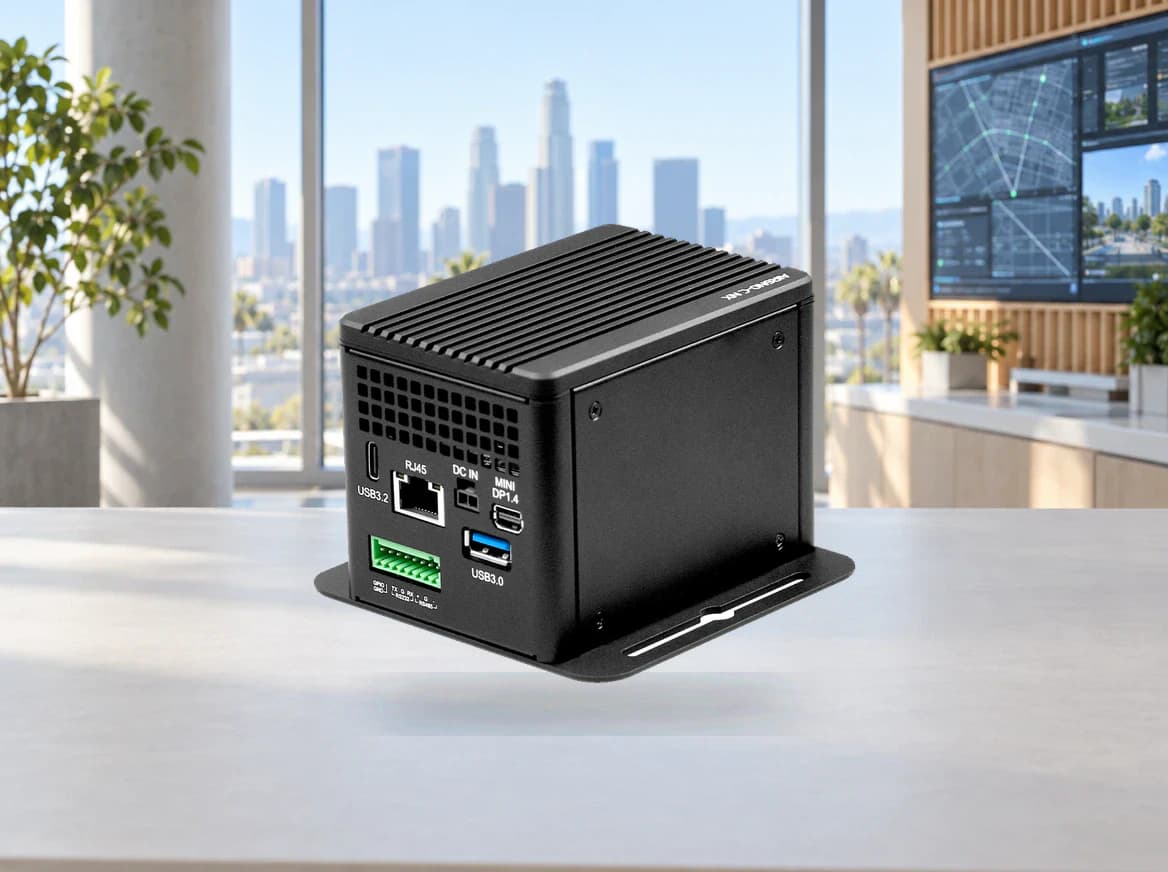 02 / 03
Edge insertion
Decode, frame routing, model execution, event metadata, recording, and upstream bandwidth become one capacity and responsibility plan.
Existing cameras, recording, evidence, and operator workflows still matter. See how the modernization boundary begins with the estate already in service.

 03 / 03
Operator workflow
Map alerts, clips, search, retention, device health, and recovery to the VMS, NVR, analytics service, and site team.
The useful modernization pattern depends on the source inventory and operating contract. Each option still requires configuration-specific validation.
01
02
03
Architecture review
Bring to the review
Review output
Related YUAN capabilities
Evaluation questions
Not necessarily. The review inventories the existing sources and identifies which paths can be retained, bridged, or replaced based on supported interfaces and project requirements.
A channel count requires a defined codec, resolution, frame rate, analytics graph, recording load, platform, and thermal configuration. It should be validated in that context.
The review maps VMS ownership for live video, events, clips, retention, search, and device health so the edge appliance has a clear integration contract.
Prepare the technical brief
Ask the YUAN hardware expert which inputs and constraints belong in your review.
Other design-in paths
YUAN USA design-in
Share the video sources, software workload, physical constraints, project stage, and production intent. The YUAN USA team will route the review to the relevant product and integration specialists.