Platform
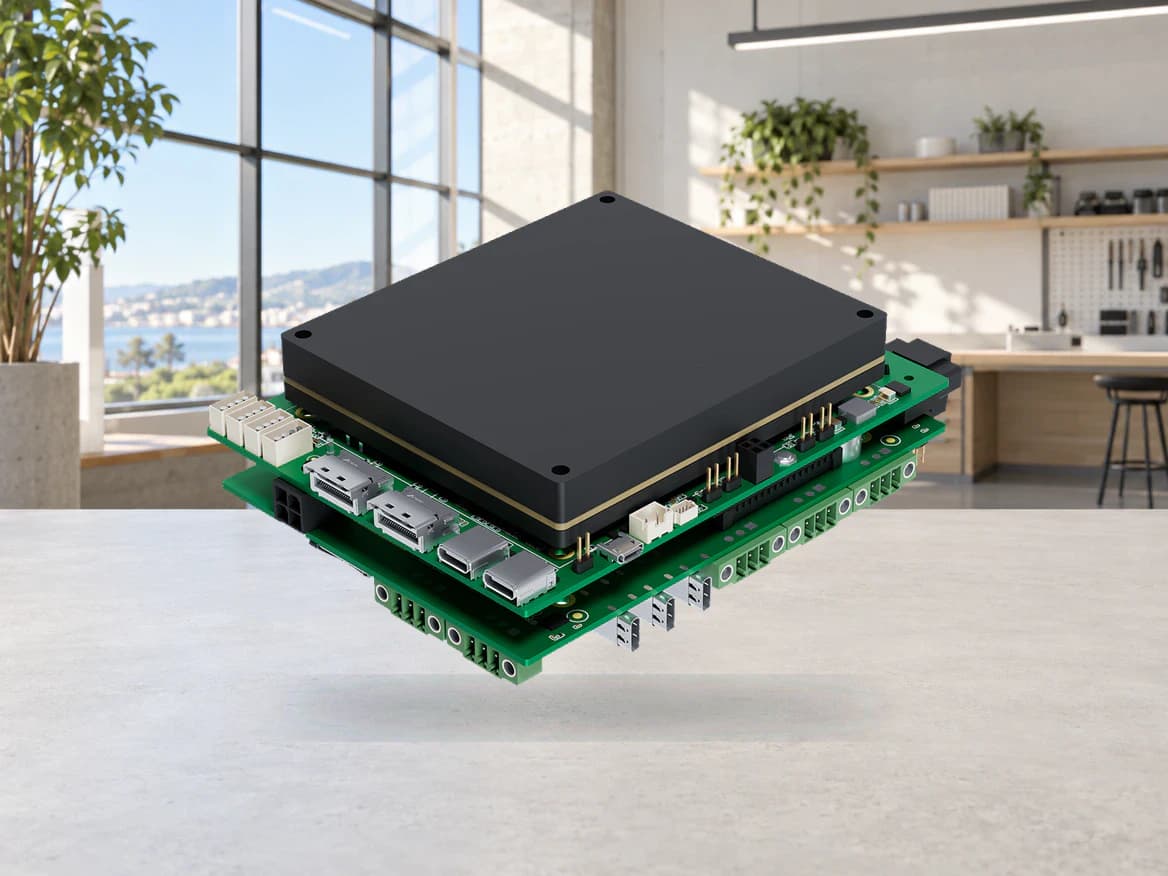
ARC6N0 T5X
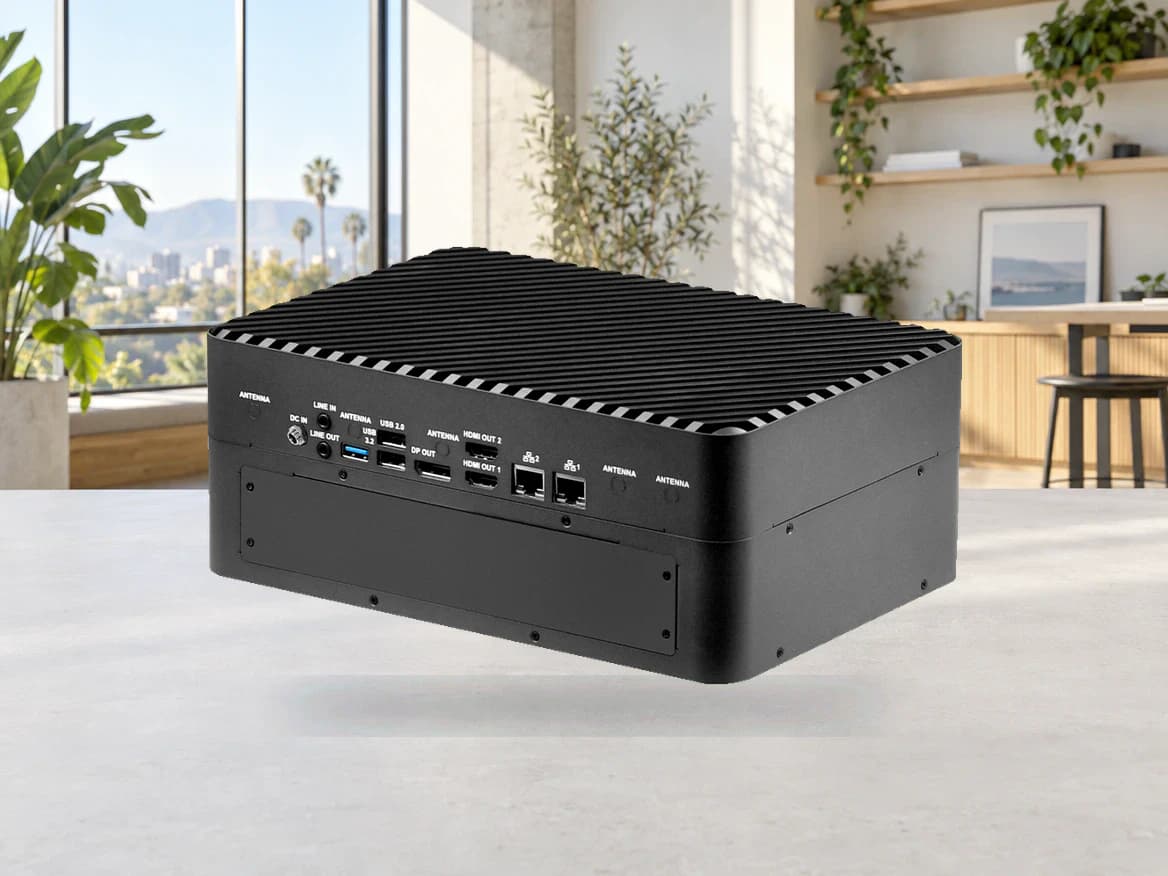
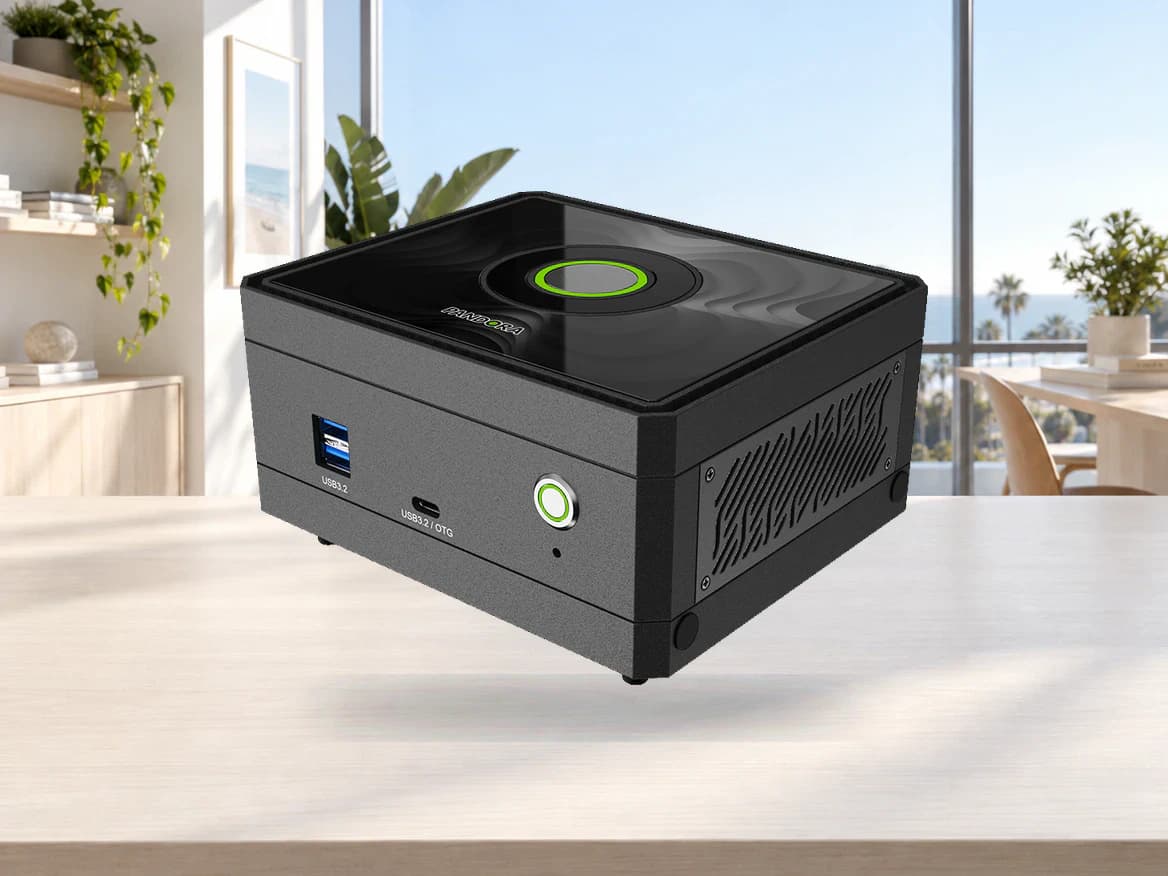
NVIDIA Jetson Thor edge-AI platform with 2070 FP4 TFLOPS and one HDMI 2.0 output
View productApplications
YUAN's robotics platform combines Holoscan Sensor Bridge capture, Jetson-class compute, and the NexVDO SDK to process raw sensor streams for embodied-AI systems.
The brief
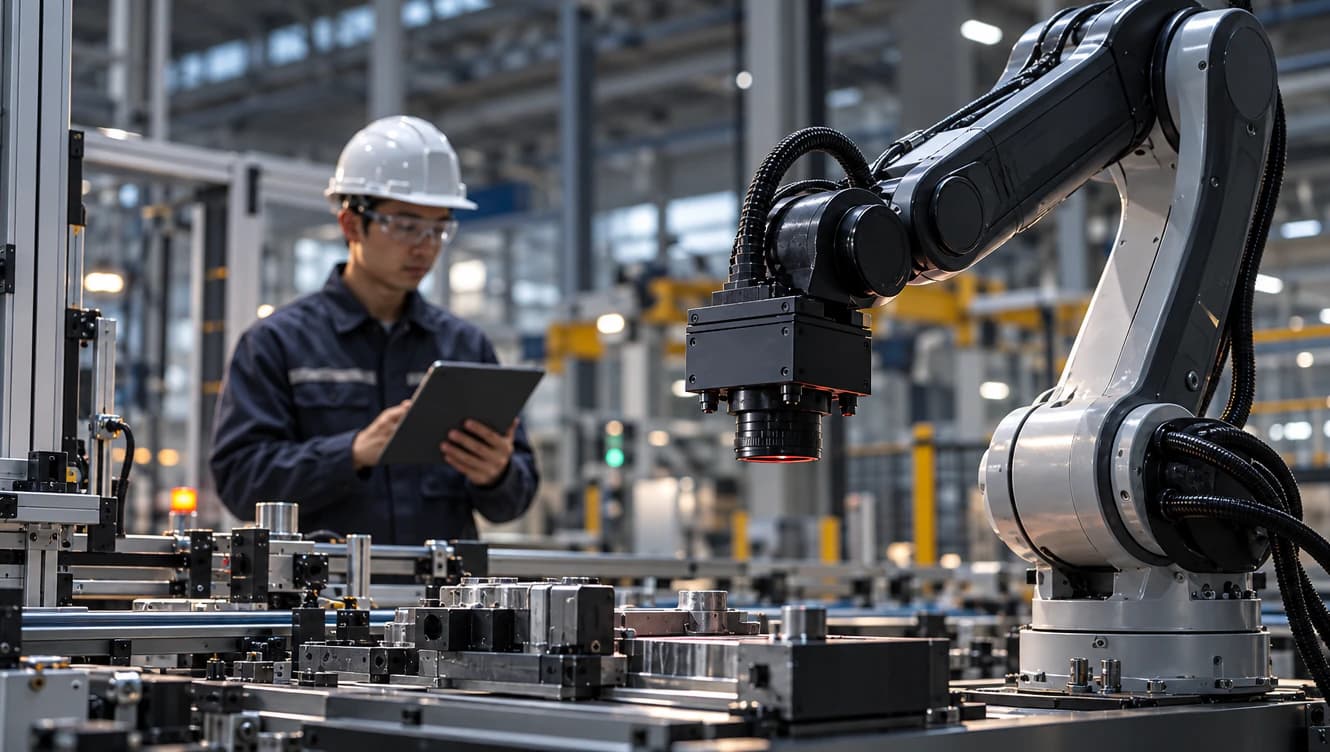
Embodied-AI systems include industrial arms, humanoids, quadrupeds, drones, autonomous mobile robots, and service robots. Each form has different movement and operating requirements.
They share one integration problem: cameras, depth sensors, LiDAR, radar, IMU, GNSS, and RTK produce different data streams that must reach the edge-computing layer with consistent timing.
YUAN combines sensor interfaces, edge hardware, and the NexVDO SDK in one platform for robotics integration.
The software
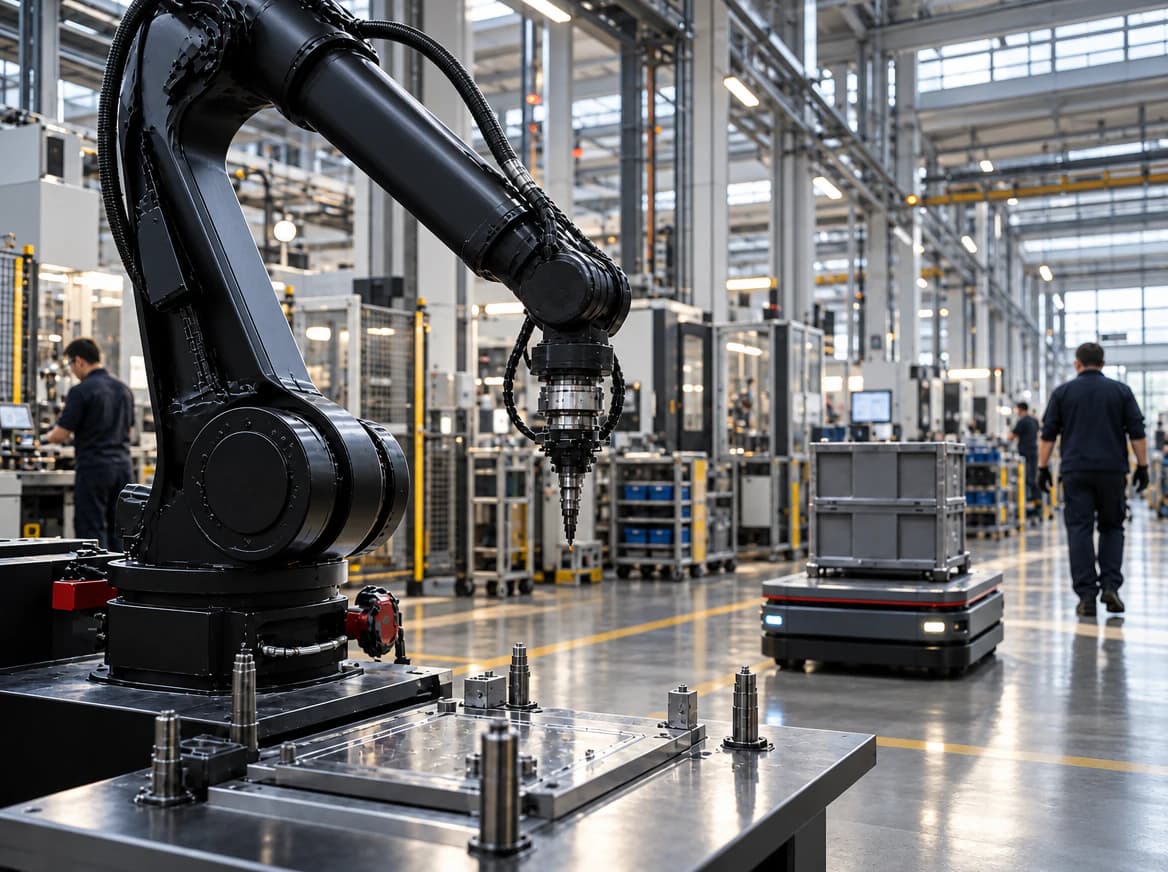
Capture moves data and video through an RDMA pipeline and uses PTP to synchronize sensor streams. Record supports H.26x or AV1 encoding, AES-secured storage, and metadata packaging.
Stream carries video over ONVIF, RTSP, and WebRTC for low-latency teleoperation. Analyze supports vision models, ASR and TTS speech processing, large language models, and vision-language models at the edge.
Automate supports navigation, mission planning, and localization through native ROS2, MAVLink, Visual Localization, SLAM, and NAV2 integration.
The hardware
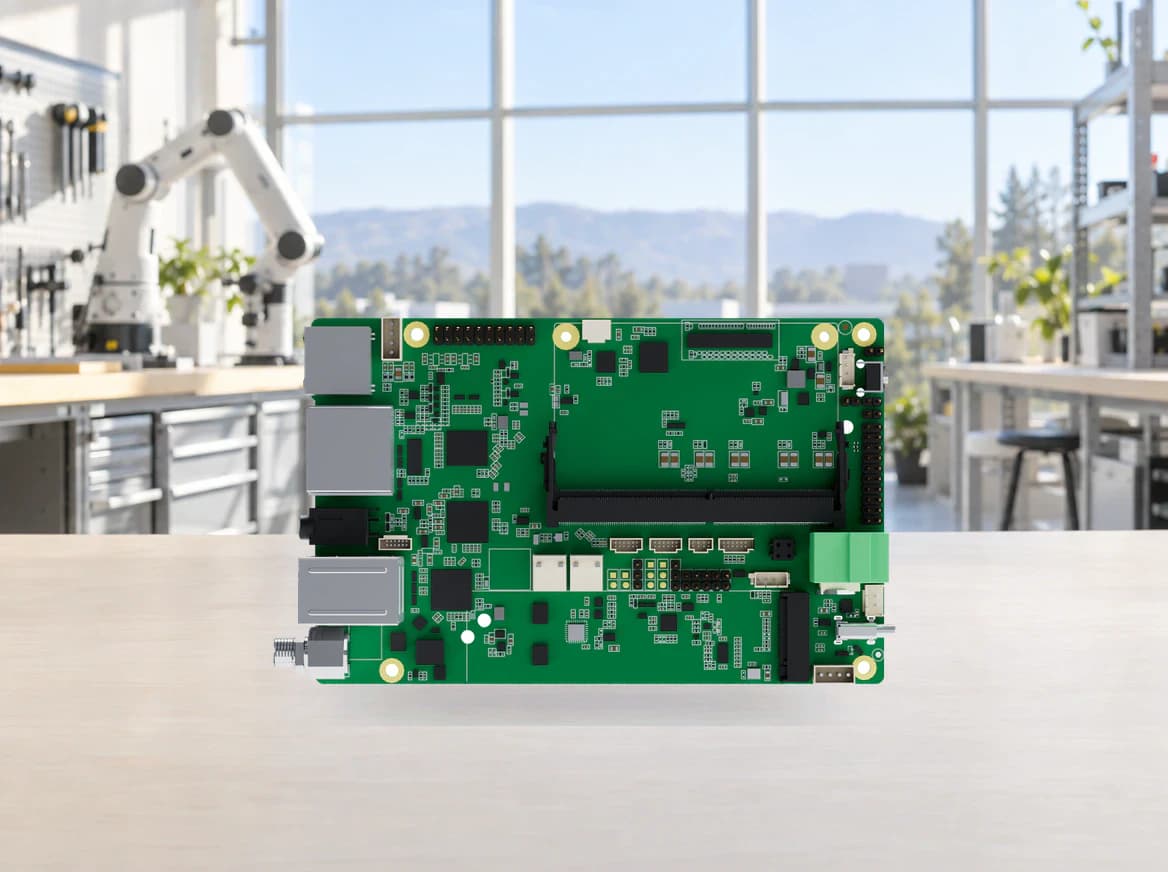
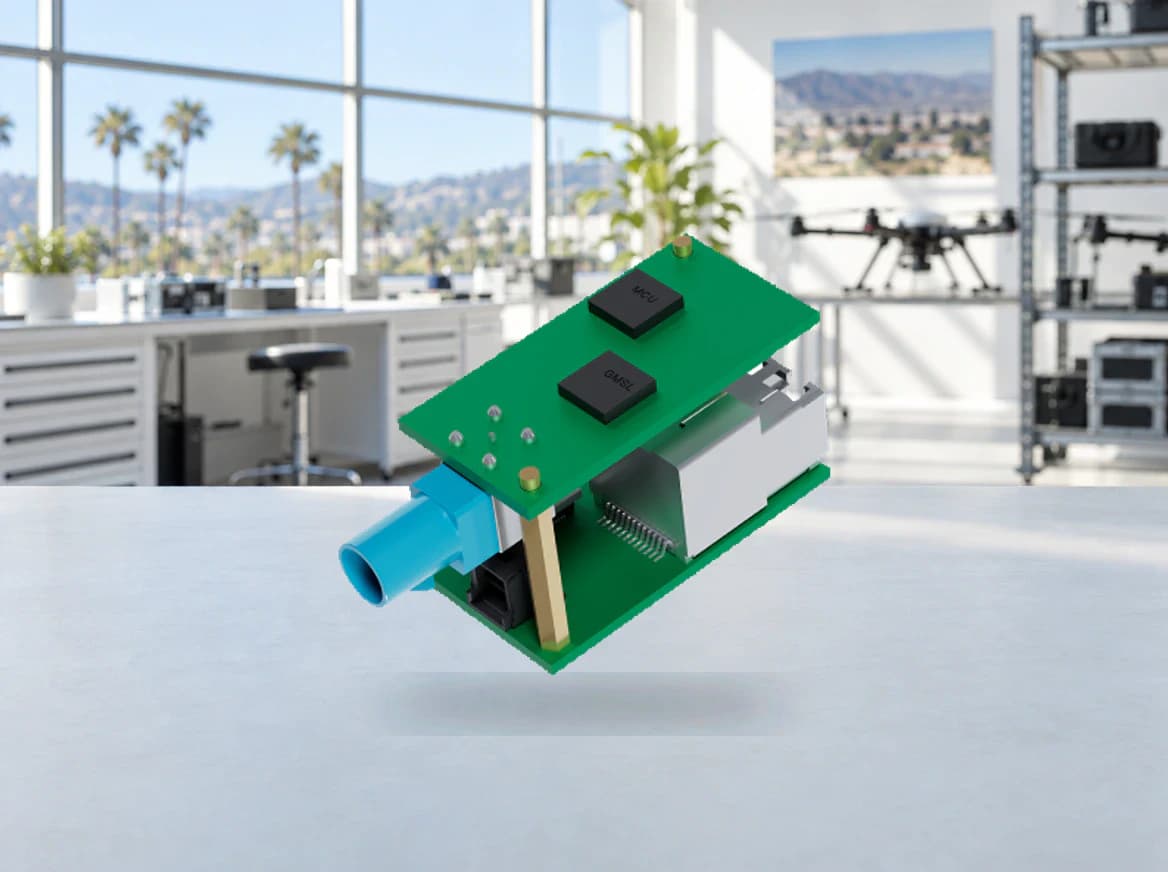
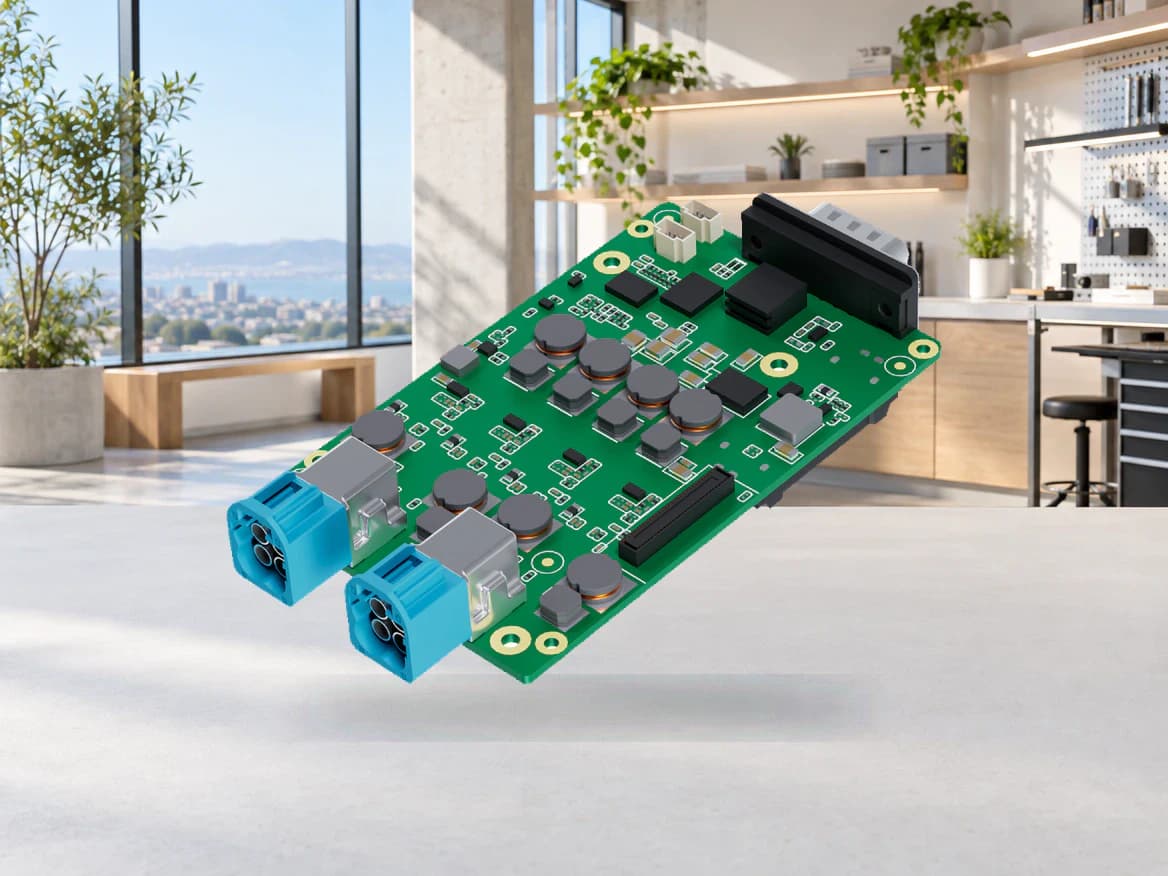
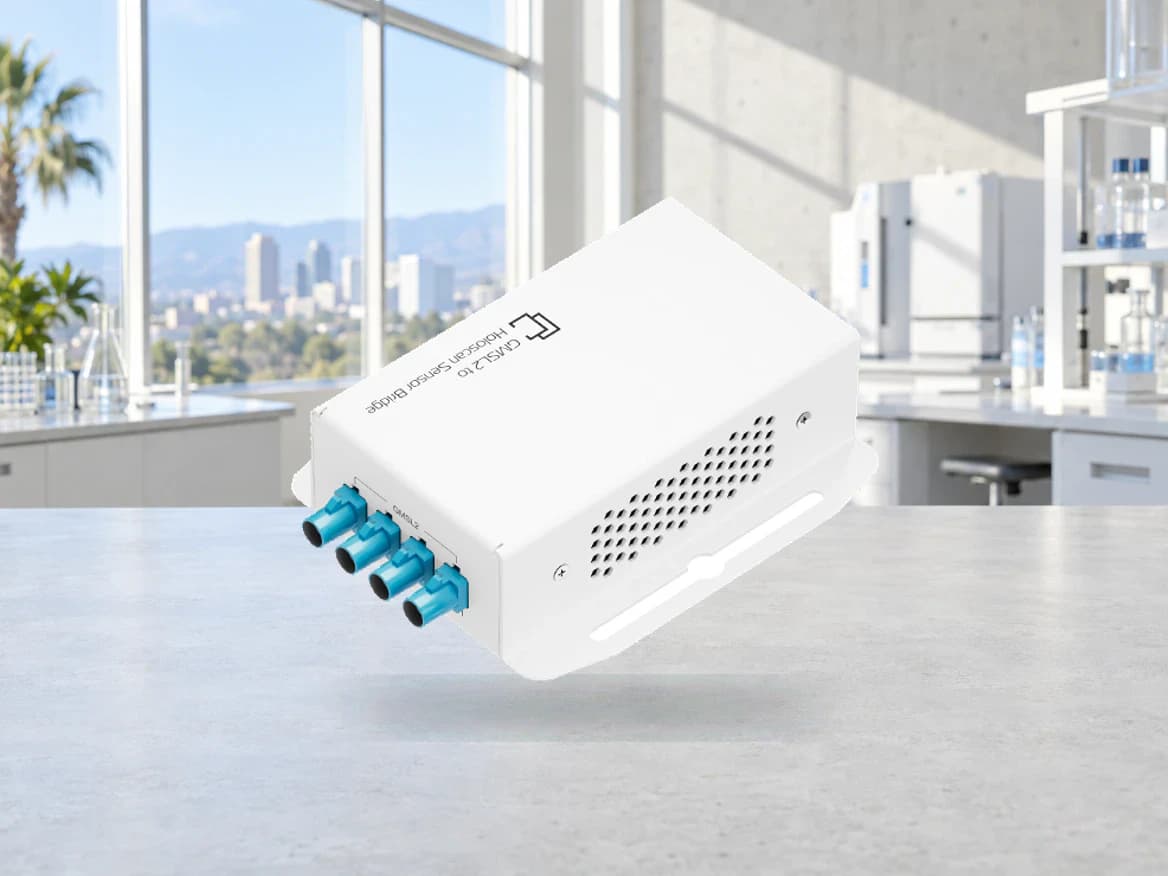
The platform integrates cameras, depth cameras, LiDAR, radar, IMU, GNSS, RTK, and industrial protocols such as EtherCAT and motor control. Holoscan Sensor Bridge captures 10G/4K and 10G/HD streams from the robot's perception modules and connects them to a compute platform with Functional Safety Island capabilities.
Compute scales with the workload. The NVIDIA Jetson-based Arc AGX platform provides 275 TOPS, while the NVIDIA Jetson Thor-based ARC6N0 T5X reaches 2070 FP4 TFLOPS for larger multimodal workloads.
The platform is designed for low-latency streaming in robotics systems. A production robot still requires hazard analysis, safety-rated controls, system validation, fail-safe behavior, and operating procedures beyond the compute component.
In the field
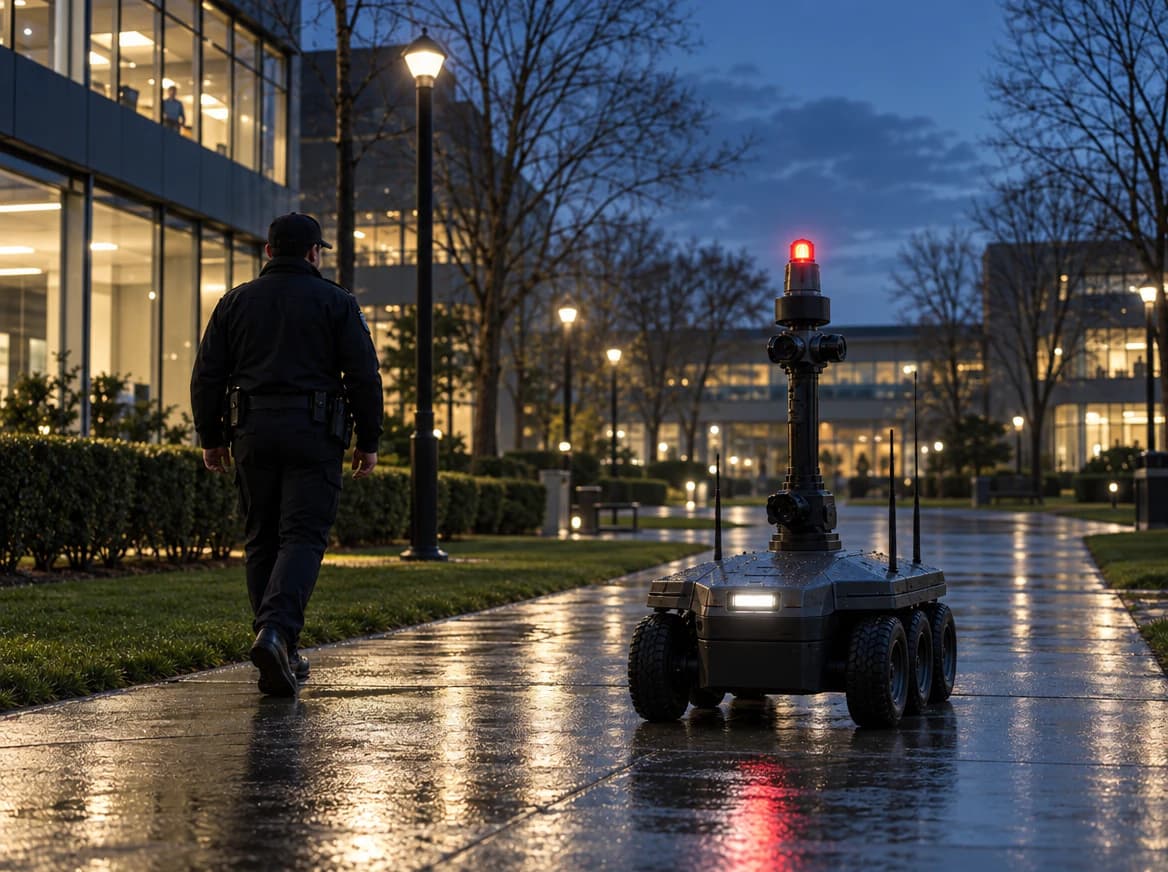
DOGU Robotics integrates YUAN's NVIDIA Jetson AGX Orin-based VPP6N0-S AGX platform into autonomous patrol robots. LiDAR and camera inputs are processed at the edge for real-time environmental perception, anomaly detection, and centralized security monitoring.
The robots patrol campuses, smart buildings, industrial sites, and public infrastructure.
Pipeline
Hardware
Platform
NVIDIA Jetson Thor edge-AI platform with 2070 FP4 TFLOPS and one HDMI 2.0 output
View product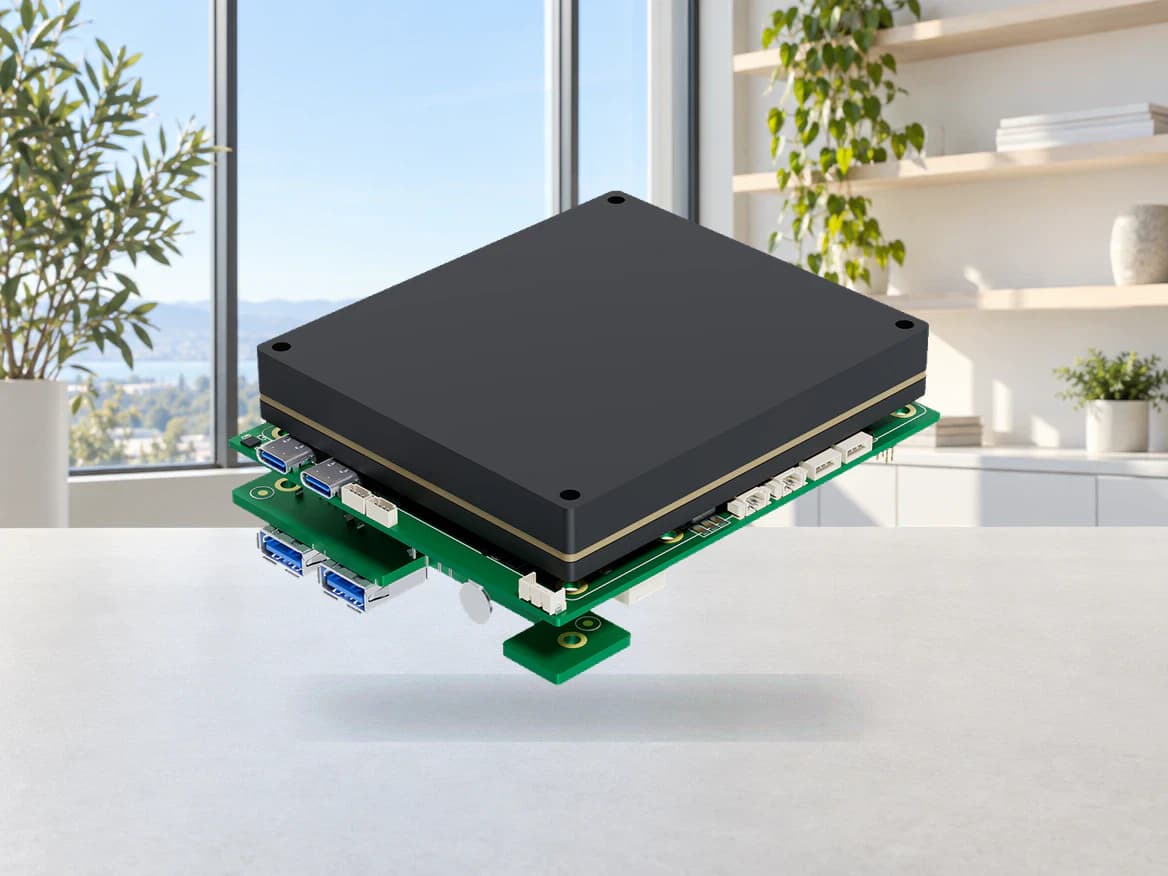
Share the signal sources, required output, host constraints, and project stage with the YUAN USA product team.
Send system requirements